I Made These FREE Vintage Recipe Tools JUST For You
This recipe was created with help from AI tools and carefully reviewed by a human. For more on how we use AI on this site, check out our Editorial Policy. Classic Fork earns a small commission from Amazon and other affiliate links at no extra cost to you, helping us keep our content free and honest.
6 Wartime Meals That Kept Soldiers Going—Would You Eat Them?
Time Period:
Meal Type:
We all have our go-to comfort foods. But imagine if your daily meals were designed for survival rather than taste.
During wartime, soldiers had to make do with whatever was available, leading to some interesting culinary creations.
From canned meat concoctions to improvised stews, here are six wartime meals that fueled soldiers in battle. The real question is: would you eat them?
Soldiers ate very differently from civilians during WWII. Military rations had to travel, keep indefinitely, survive any climate, and provide 3,000 to 4,500 calories per day per soldier.
That meant soldier food leaned heavily on canned, dried, and shelf-stable ingredients most civilian kitchens never touched.
What Would You Cook in Wartime?
Step back in time and discover what you could make with limited wartime rations
What a WWII Soldier Actually Ate in a Day
Every army had its own ration system, but a few patterns were universal.
US Army
American GIs ate K-rations in the field and C-rations in camp. A K-ration was a small waxed carton with biscuits, canned meat or cheese, a chocolate bar, and powdered drink.
Camp kitchens served Spam fritters, creamed chipped beef on toast (known as “SOS”), pancakes, chili mac, and stews built on canned vegetables.
British Army
British soldiers got the 24-hour ration pack, known as the “compo ration,” shared among a section of men. It included canned corned beef, biscuits, tea, powdered milk, sugar, jam, and sometimes oatmeal blocks.
Field cooks stretched these into stews, bully beef hash, and tea strong enough to “stand a spoon up in.”
German Wehrmacht
German field rations centered on commisbrot (army bread), canned sausage, a tube of cheese or liverwurst, and hard candy.
Coffee was invariably ersatz, made from chicory, acorn, or barley. Real coffee beans were strictly reserved for officers and medics.
Soviet Red Army
Soviet soldiers ate black rye bread, kasha (buckwheat porridge), and whatever meat scraps the field kitchen had. Vodka was officially issued at 100 grams per soldier per day on the frontline.
Shchi (cabbage soup) and borscht simmered on mobile kitchens followed armies across the Eastern Front.
For the civilian side of this story, the Ministry of Food ration guide shows how differently families on the home front ate.
Wartime Meals That Kept Soldiers Going
Think your meal prep routine is tough? Try eating like a wartime soldier. With limited ingredients, long shelf-life requirements, and zero room for gourmet luxuries, military meals were all about function over flavor. But some of them might actually surprise you! Ready to test your taste buds? Here are six soldier-approved meals that kept armies going—would you give them a shot?

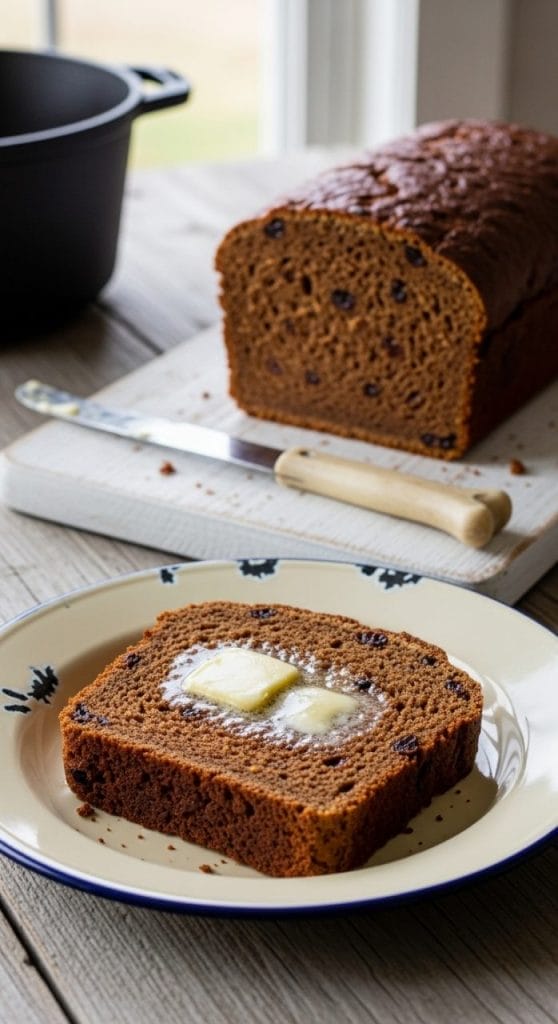
Step back in time and bring a piece of history into your kitchen with the National Loaf, a hearty and nutritious bread that became a staple in British households during World War II.
Originally devised to make the most of rationed ingredients, this loaf is not only a testament to ingenuity in times of scarcity but also a delicious addition to your modern-day menu.
Whether you’re a history enthusiast or simply love baking wholesome bread, this recipe offers a flavorful journey back to the 1940s.

During times of scarcity, ingenuity in the kitchen becomes essential. Wartime Potato Cakes are a testament to resourcefulness, transforming humble ingredients into a satisfying and nourishing meal.
Whether you’re reminiscing about the past or seeking a comforting dish today, these potato cakes offer a delightful blend of simplicity and flavor that has stood the test of time.
![Image for Authentic WW2 Meatless Hash Recipe [Taste of History]](https://erhn68ck9vj.exactdn.com/wp-content/uploads/2025/01/a-beautifully-plated-meatless-hash-serve_q1hQPL9YQ8mIgL5uStUfbw_QZFEleXPTgqDtWohGezC_w-735x1103.jpg?strip=all)
In the midst of World War II, rationing and scarcity led to the creation of many ingenious and resourceful recipes. One such culinary gem is the Meatless Hash, a hearty and satisfying dish that not only provided nourishment but also comfort during challenging times.
Today, we bring this historical recipe back to life, allowing you to experience a piece of the past with a modern twist.

Mock Turtle Soup is a quintessential dish steeped in history and tradition, offering a rich and hearty flavor that has delighted palates for centuries.
Despite its name, this soup is a genuine and flavorful alternative to the original Turtle Soup, providing a vegetarian-friendly option without compromising on taste or texture.
Whether you’re a culinary enthusiast looking to explore traditional British cuisine or simply seeking a comforting meal, Mock Turtle Soup is sure to satisfy your cravings.

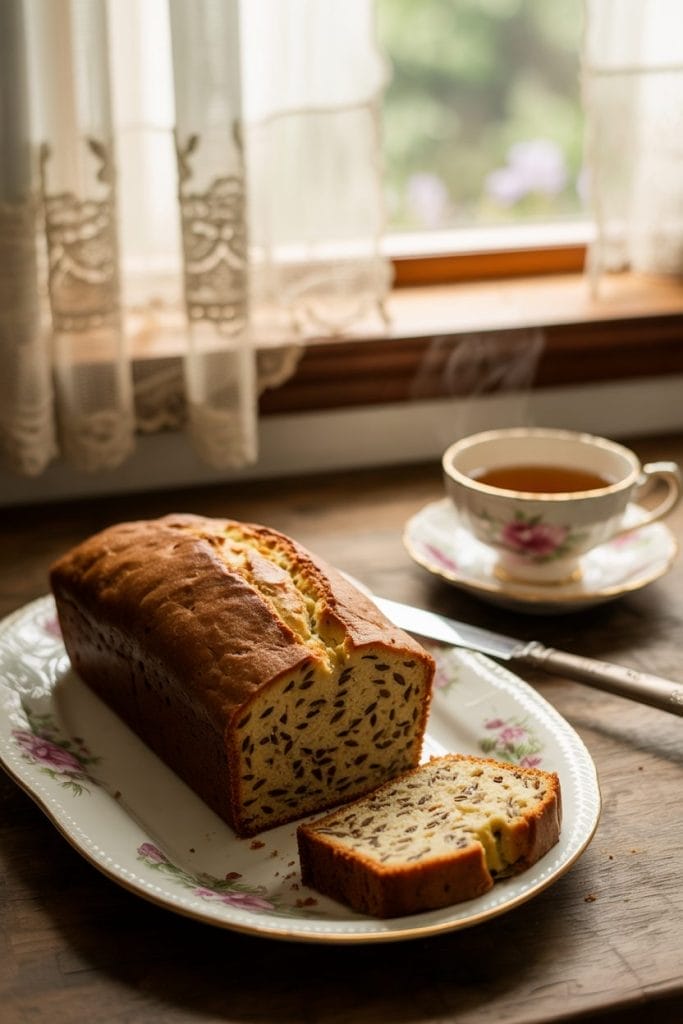
Victory Bread wasn’t just food; it was a symbol of resilience. Born during WW2, when rationing shaped every meal, this bread was made with creativity and resourcefulness. Despite the shortages, families found comfort in baking this wholesome loaf at home. Let’s dive into the recipe and bake a slice of history.

Growing up, my grandmother always talked about the “make-do” days of WWII, where every meal was a testament to creativity and resilience.
One dish that stood out in her stories was Woolton Pie—a humble, veggie-packed meal born out of necessity.
As I dug deeper into its history, I discovered it’s more than just a recipe; it’s a symbol of survival in the face of adversity.
Why These Soldier Recipes Still Work Today
Military rations were designed around three constraints: calories, shelf stability, and speed. All three still apply to modern meal prep, camping, and emergency pantries.
They’re calorie-dense. A single K-ration meal delivered around 1,200 calories in a package the size of a paperback. Useful for anyone doing heavy physical work or cold-weather activity.
They store for years. Canned corned beef, hardtack, oatmeal blocks, powdered milk, and dried eggs all keep almost indefinitely. That’s why modern emergency pantries still look a lot like WWII ration boxes.
They cook fast. SOS (creamed chipped beef on toast) comes together in 10 minutes. Bully beef hash is a one-pan 15-minute dinner. Perfect for anyone cooking after a long workday.
They taste better than their reputation. Creamed chipped beef on toast is genuinely good comfort food. Spam fritters are better than most people admit.
Soldier-Food Pantry Staples Worth Keeping
A few items cover most WWII soldier recipes and double as genuinely useful pantry items.
Canned corned beef is the British army standard. A can in the pantry gives you bully beef hash, corned beef sandwiches, or a protein for any stew.
Canned Spam is the American army equivalent. Fries up into fritters or slices into sandwiches.
Hardtack biscuits are the shelf-stable cracker of choice. Still popular for camping and long hiking trips.
Powdered milk and powdered eggs are the two ingredients that made wartime field kitchens possible. Both work fine in baking and cooking when rehydrated.
For deeper reading, WWII military cookbooks reprint the exact field kitchen manuals used by army cooks.
The Marguerite Patten wartime cookbooks include several recipes adapted directly from British army field kitchens.
Keep Exploring Wartime Cooking
If the military side of wartime cooking interests you, a few more threads worth pulling.
The wartime dinner recipes roundup covers the civilian dinners that ran parallel to soldier rations.
The wartime recipes from different countries roundup compares civilian and military cooking across Britain, the US, Germany, and the USSR.
For soldier-adjacent civilian bread, the bread recipes from WW2 roundup covers the national loaf that fed both armies and civilians.
And the cooking history timeline places military rations in the longer story of field cooking.
FAQ
What did WWII soldiers eat for breakfast?
American GIs typically ate powdered scrambled eggs, toast, and coffee in camp, or a K-ration breakfast unit with biscuits and fruit bar in the field.
British soldiers ate porridge, biscuits, and strong tea. German soldiers ate rye bread and ersatz coffee.
What was a K-ration?
K-rations were individual combat rations issued to American troops in three units per day (breakfast, lunch, dinner). Each unit came in a small waxed carton with roughly 1,200 calories.
Contents varied but typically included biscuits, canned meat or cheese, a chocolate bar, powdered drink mix, and cigarettes.
Did soldiers really eat Spam every day?
Close to it. The US military bought over 150 million pounds of Spam during WWII, and GIs joked that they could trace their route across Europe by the empty cans.
Soviet Red Army soldiers received large quantities of American Spam through Lend-Lease and called it “Roosevelt’s sausage.”
What was “SOS” in the military?
SOS stood for “chipped beef on toast” in polite conversation, and a ruder phrase among soldiers themselves.
It was creamed, salted, dried beef served over toast, and remained a US Army breakfast staple for decades after the war.
Can I make WWII soldier meals at home?
Most of them, yes. Spam fritters, bully beef hash, creamed chipped beef on toast, and GI pancakes are all easy weekday dinners with ingredients still available in any supermarket.
Authentic K-rations require a bit more scavenging but army surplus stores and specialty recreators sell reproduction sets.

Maggie Hartwell
Hi there, I’m Maggie Hartwell, but you can call me Maggie—the apron-clad foodie behind Classic Fork! I created Classic Fork because I’m convinced food has a way of telling stories that words can’t. So, grab a fork and dig in. The past never tasted so good!