I Made These FREE Vintage Recipe Tools JUST For You
This recipe was created with help from AI tools and carefully reviewed by a human. For more on how we use AI on this site, check out our Editorial Policy. Classic Fork earns a small commission from Amazon and other affiliate links at no extra cost to you, helping us keep our content free and honest.
9 Wartime Dessert Recipes That Kept Spirits High in the Darkest Times
Time Period:
Meal Type:
Imagine baking a cake with no butter, no eggs, and barely any sugar. Yet somehow, it still brings comfort with every bite.
During wartime, families got creative in the kitchen, whipping up sweet treats with whatever they had.
These desserts weren’t just about taste. They were a symbol of resilience, resourcefulness, and hope.
Today, we’re revisiting 9 wartime desserts that lifted spirits when times were toughest.
Desserts were the hardest thing to get right during WWII rationing. Sugar was down to 8 ounces per person per week in the UK, butter was 2 ounces, and eggs were a single shell egg every two weeks if you were lucky.
Americans had slightly more, but sugar stamps were still strict. Chocolate, cocoa, and dried fruit were often entirely absent from shops for months at a stretch.
That’s the context that makes these recipes remarkable. Home bakers didn’t just cope, they invented.
What Would You Cook in Wartime?
Step back in time and discover what you could make with limited wartime rations
How Wartime Bakers Got Around Butter, Eggs, and Sugar
Every wartime dessert was a workaround built on a specific shortage.
Missing eggs? Vinegar and baking soda gave cakes their rise instead. That’s the trick behind crazy cake, wacky cake, and most “eggless milkless butterless” recipes from the era.
Missing butter? Lard, dripping, or even grated suet went into pastry and puddings. Some wartime cakes used boiled vegetables as a binding agent.
Missing sugar? Grated carrots, cooked beetroot, mashed parsnips, honey (where available), and treacle stepped in. Carrots especially, since they were unrationed and naturally sweet.
Missing cream? Mock cream, made by whipping together margarine, a little milk, and cornflour. It’s not cream exactly, but it spreads on a sponge cake like the real thing.
Missing chocolate? Cocoa alternatives like chicory-based cocoa stand-ins were common. Some recipes skip chocolate entirely and use extra treacle for depth.
Most of these techniques are still useful today for anyone baking vegan, egg-free, or pantry-lean. For the underlying chemistry, our guide on baking without butter or sugar during rationing walks through why each of these substitutions actually works. The Ministry of Food ration guide lays out exactly what a British household had to work with week to week.
For the origin of the most famous wartime sweet, read the crazy cake history.
9 Wartime Dessert Recipes
Sugar was rationed. Butter was a luxury. And yet, people still found a way to enjoy a slice of cake or a comforting cookie. Wartime baking was all about doing more with less, turning everyday pantry items into surprisingly delicious desserts.
These 9 recipes are a testament to human ingenuity—and they just might become your new favorite treats.

Wartime carrot cake emerged during World War II when sugar, butter, and eggs were rationed. The government encouraged people to use alternative sweeteners, such as carrots, which provided moisture and natural sweetness. This cake became a household favorite, proving that delicious baking could thrive even in times of scarcity.
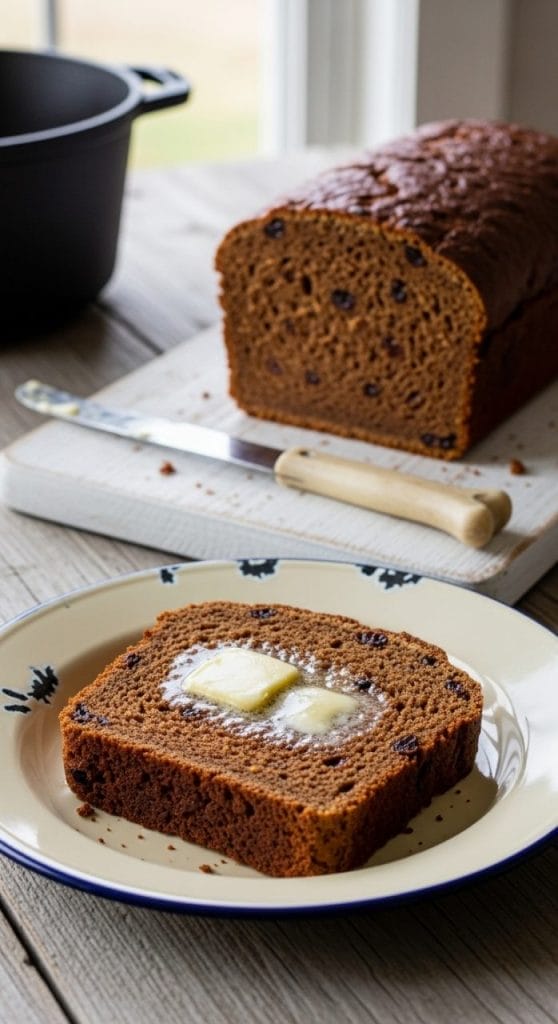
Known as the “Poor Man’s Cake” or “Wacky Cake,” this recipe dates back to the Great Depression era when households had to make do with minimal ingredients. Bakers found creative ways to make cakes rise and taste good without dairy or eggs, often using boiled raisins for moisture and sweetness.
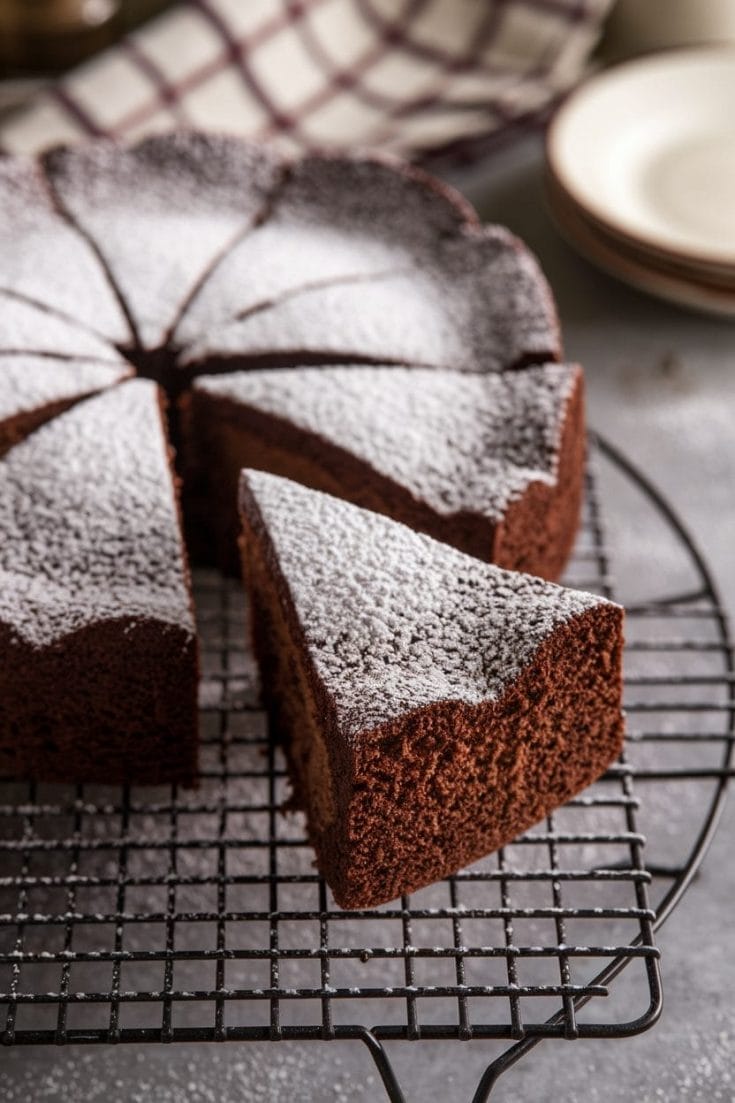
This cake was born out of necessity when rationing made dairy and eggs hard to come by. Home bakers got creative, using vinegar and baking soda to create a chemical reaction that gave the cake its signature fluffiness. Over time, Crazy Cake became a beloved recipe, passed down through generations. Even today, it remains a favorite for its simplicity, affordability, and deep chocolate flavor.

During World War II, many countries implemented rationing systems to ensure fair distribution of limited resources. Ingredients like sugar, butter, and eggs were scarce, prompting families to adapt their cooking habits.
Bread, being a staple, became the foundation for numerous dishes, including the beloved Bread Pudding. This dessert was a perfect example of “make-do-and-mend” philosophy, utilizing stale bread and minimal sweeteners to create a satisfying treat.
Over the years, Bread Pudding has evolved, but its roots in wartime ingenuity remain a testament to culinary adaptability.

During World War II, food rationing was a reality across Britain. Stale bread—something no household could afford to waste—became the hero ingredient for many dishes.
Bread pudding stood out as a favorite, combining scraps with a few sweet touches to create a delightful dessert.
It was a dish that symbolized ingenuity and the ability to make do with limited resources.
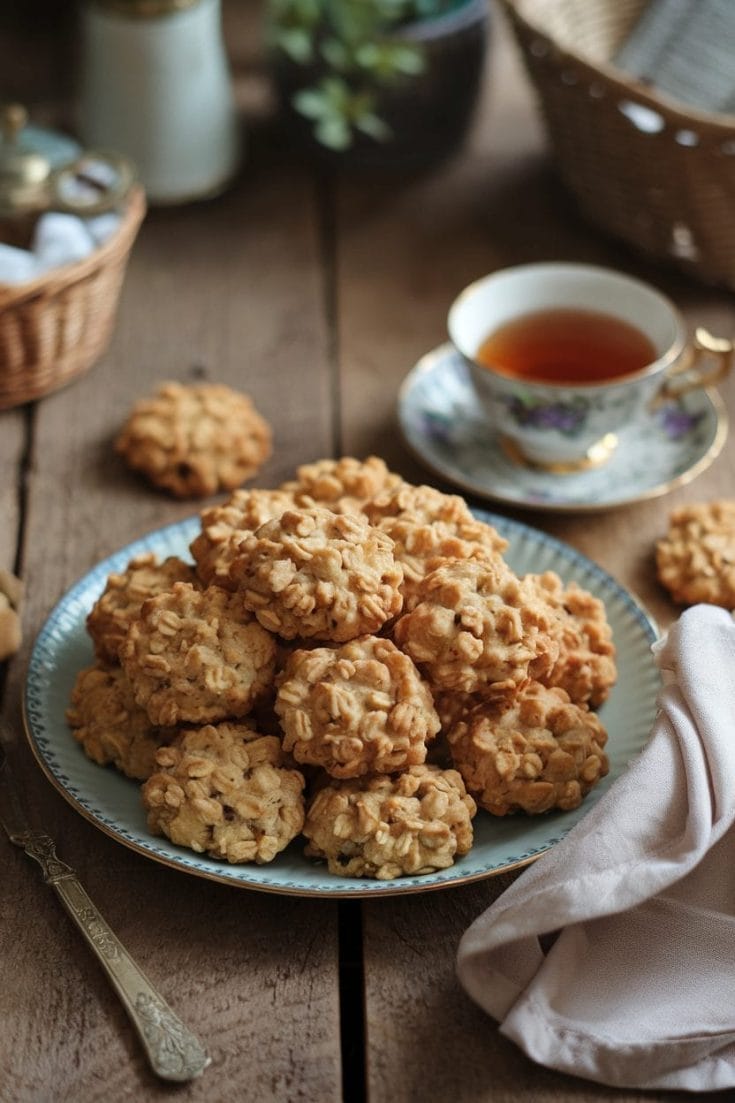
World War II brought about a spirit of ingenuity in kitchens worldwide. With sugar, butter, and other staples rationed, home cooks adapted by crafting recipes that made do with what was available.
Oatmeal became a popular choice for cookies, as it was filling and readily available. These cookies offered families a sweet treat during challenging times, embodying the resilience and creativity of the era.

During World War II, food shortages meant that staples like eggs, butter, and milk were luxuries.
Vinegar Cake became a household favorite because it required none of these rationed items. Instead, vinegar combined with baking soda acted as a leavening agent.
This cake, also known as “Wacky Cake” or “War Cake,” reflects a time when ingenuity met the necessity to create something memorable and comforting.

During World War II, rationing meant fresh apples were often hard to come by. Home cooks got creative, finding ways to replicate familiar dishes without traditional ingredients.
Mock Apple Pie became a hit, as it used common pantry staples like soda crackers, sugar, and lemon to mimic the flavor and texture of apples.
This recipe became a symbol of resourcefulness, passed down through generations as a nostalgic nod to resilience.

During WW2, sugar and other baking staples were rationed, leading to creative recipes using alternative sweeteners. Carrots, naturally sweet and readily available, became a popular substitute. These cookies offered a way to enjoy a sweet treat without breaking rationing rules. They’re a testament to ingenuity and perseverance.
Why These Desserts Still Work Today
Wartime desserts age well for three reasons.
They’re almost all vegan or egg-free by default. You can take any of these recipes and feed them to a dairy-free, egg-free guest without changing a thing.
They’re forgiving. Wartime bakers had to substitute ingredients mid-recipe all the time. These recipes hold together even when you swap oil for butter or treacle for sugar.
They keep well. Eggless cakes like crazy cake and vinegar cake stay moist for 3 or 4 days without refrigeration, which is why they were popular for wartime picnics and long workdays.
A few modern tweaks that help the originals shine.
Use a quality unsweetened cocoa if a recipe calls for it. Wartime cocoa was often diluted with other ingredients, so modern cocoa actually improves flavor depth.
Swap treacle for black treacle or molasses for a deeper, richer sweetness. Honey works too if you prefer a milder note.
Don’t over-mix eggless batters. They rely on vinegar-baking-soda chemistry and collapse if you beat air out of them.
Vintage Baking Tools Worth Having
If you’re going to bake these recipes often, a few traditional pieces make the process easier.
A sturdy cake tin (this 6 piece set will hook you up for a long time!) in 8-inch round or 9-inch square is enough for most wartime cake recipes. A mixing bowl (I love this mixing bowl set) on the larger side makes it easier to fold stiff eggless batters without spillage.
A wooden spoon (Love environmet & style? Get this bamboo spoon set) is honestly better than any electric mixer for these recipes. Over-beating eggless batter deflates it.
A solid wooden rolling pin handles pastry for mock apple pies and treacle tarts better than any silicone pin.
For real period authenticity, reprinted editions of the Ministry of Food wartime cookbooks are worth owning. They include the exact recipes the BBC and women’s magazines published during rationing.
The Marguerite Patten wartime cookbooks are the gold standard for tested wartime recipes, written by the Ministry of Food home economist who demonstrated them on BBC radio.
For ingredients, black treacle and golden syrup are the two pantry staples that show up in most wartime sweet recipes. Both keep for years sealed.
Keep Exploring Wartime Cooking
If this list pulled you in, a few more directions to wander.
The wartime ration cookie recipes are the smaller cousins of these cakes, with more cookie jar variety.
The wartime cake recipes roundup focuses specifically on cakes if that’s where your interest sits.
For the savory side of the table, the wartime dinner recipes roundup covers what families ate around these desserts.
And the cooking history timeline shows where wartime baking sits in the longer story of British and American home cooking.
FAQ
What desserts did people eat during WW2?
Wartime bakers leaned heavily on eggless, butterless, milkless cake recipes. Crazy cake, wacky cake, vinegar cake, war cake, and carrot cake were the most common.
Puddings like bread pudding and suet pudding were household staples because they used stale bread and minimal sugar.
Mock cream and treacle sponges stood in for the fancy puddings that required scarce ingredients like fresh cream and chocolate.
How did people bake cakes without eggs during rationing?
The most common trick was vinegar and baking soda. A tablespoon of vinegar plus a teaspoon of baking soda creates enough lift to replace two eggs in most cake recipes.
Some recipes used mashed vegetables, stewed apples, or soaked raisins as binding agents.
For richer cakes, a small amount of custard powder mixed with milk could imitate the binding role of eggs.
What is a war cake?
War cake is a general term for any cake baked with rationed ingredients during WWI or WWII. Most versions are eggless, butterless, and low on sugar.
The most famous version is the British wartime boiled raisin cake, which uses boiled raisins, treacle, and flour. The American version often included carrots, apples, or whatever fruit was available.
The eggless milkless butterless cake recipe is a classic version.
What is mock cream?
Mock cream is a wartime substitute for fresh whipped cream, made by whipping together margarine, a small amount of milk, and cornflour.
The texture is firmer than real cream, but it spreads beautifully on sponge cakes and treacle tarts.
It was popular enough that it outlived rationing and still appears in some British baking books today.
Are wartime desserts actually tasty?
Yes, and often better than modern equivalents. Wartime recipes rely on slow-release sweeteners like treacle and dried fruit, which give cakes a deeper, more complex flavor than straight granulated sugar.
The lower sugar content also means the spice and fruit notes come through more clearly.
Most wartime bakers who lived through rationing kept making these recipes after the war because they genuinely preferred them.

Maggie Hartwell
Hi there, I’m Maggie Hartwell, but you can call me Maggie—the apron-clad foodie behind Classic Fork! I created Classic Fork because I’m convinced food has a way of telling stories that words can’t. So, grab a fork and dig in. The past never tasted so good!