
Home > Single Recipes > This Simple Colonial Hasty Pudding Will Make You Feel Like You’re in the 1700s
Last Updated: July 7, 2026
Classic Fork earns a small commission from Amazon and other affiliate links at no extra cost to you, helping us keep our content free and honest.
This Simple Colonial Hasty Pudding Will Make You Feel Like You’re in the 1700s
Time Period:
Meal Type:
Cooking Time: 20 minutes
Prep Time: 5 minutes
Total Time: 25 minutes
Servings: 4
Calories: 250
Hasty pudding is the original American breakfast. Long before oatmeal packets and Pop-Tarts, colonial families woke up to a steaming bowl of this cornmeal porridge.
I tried it for the first time on a cold morning expecting bland mush. It was warm, slightly sweet from a drizzle of molasses (Grandma's Unsulphured is the only kind I trust), and weirdly comforting in a way that surprised me.
Three ingredients. Twenty minutes. A recipe that hasn’t really changed since the 1700s.
If this is your kind of cooking, you will love my cookbook, The Founding Kitchen. Its baked cousin, Indian pudding, and johnny cakes are two of the 50 originals I restored there, straight from the first American cookbooks.

What Is Hasty Pudding?
Hasty pudding is a thick cornmeal porridge boiled in water or milk and stirred until smooth. Colonial Americans ate it for breakfast, often topped with butter, molasses, or maple syrup.
It is essentially the American cousin of British wheat porridge. When colonists ran out of wheat flour, they swapped in cornmeal, which Native Americans had been growing for centuries.
The dish became so iconic that Yale-educated poet Joel Barlow wrote a 400-line mock-epic poem called “The Hasty-Pudding” in 1793, praising it as the food of true Americans. The same British settlers who brought it over also brought heavier steamed puddings like colonial suet pudding, which stayed reserved for Sunday gatherings.

A Quick History of Hasty Pudding
The British version of hasty pudding was made with wheat flour and milk, often boiled in a cloth bag. It was called “hasty” because it cooked faster than baked bread or steamed puddings.
When English settlers arrived in New England in the 1620s, wheat was scarce and expensive. Cornmeal, on the other hand, was everywhere thanks to indigenous agriculture.
By the late 1600s, cornmeal hasty pudding was a staple in every colonial home from Massachusetts to Virginia. It fed farmers before sunrise, soldiers during the Revolutionary War (alongside colonial pepper pot soup at Valley Forge), and entire schools of children.
Northeasterners called the leftover slab “Indian pudding” or “fried mush” the next day, sliced and pan-fried in butter. That tradition still survives in old-school New England diners.
Times and Yield
- Prep time: 5 minutes
- Cook time: 20 minutes
- Total time: 25 minutes
- Servings: 4 bowls
- Difficulty: Easy
Equipment
- Medium saucepan (heavy-bottomed prevents scorching)
- Wooden spoon (this beech-wood set has lasted me a decade) or whisk (this OXO balloon whisk takes a beating) for constant stirring
- Measuring cups (this Pyrex glass set has held up for years)
- Small bowl (optional, for soaking cornmeal first)
Ingredients
- 3 cups water (or 2 cups water + 1 cup milk for a creamier version)
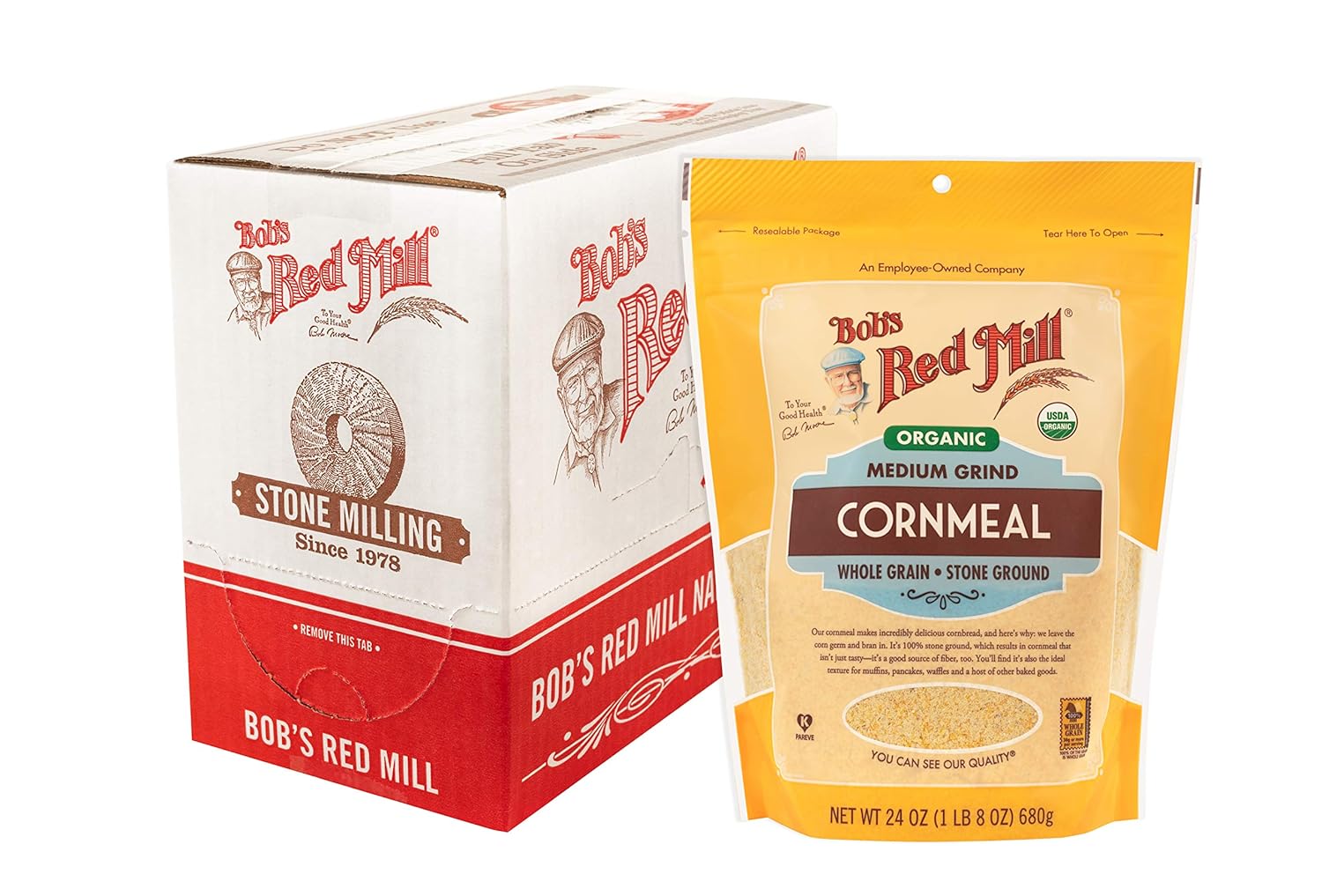
- 1 cup yellow cornmeal (stone-ground gives the best flavor — try Bob’s Red Mill stone-ground yellow cornmeal)
- ¼ teaspoon salt
- 1 tablespoon butter, optional, for serving
- 1 to 2 tablespoons unsulphured molasses or pure maple syrup, for serving

Instructions
Step 1: Boil the Water
Bring 3 cups of water to a gentle boil in a medium saucepan. Add the salt once it starts bubbling.
If you want a creamier pudding, swap one cup of water for milk. The colonists used whatever they had on hand.

Step 2: Add Cornmeal Slowly
Lower the heat to medium-low. Sprinkle the cornmeal in a slow, steady stream while stirring constantly with a wooden spoon.
Pour too fast and you will get lumps. Pour too slow and the bottom will scorch. Aim for a thin rain of cornmeal as you stir.
Step 3: Stir and Thicken
Keep stirring on low heat for 15 to 20 minutes. The pudding should pull away from the sides of the pan and look glossy.
If it gets too thick, add a splash of warm milk or water. If it stays watery after 20 minutes, your heat is too low. Bump it up slightly.
Step 4: Serve Warm
Spoon into bowls. Top with a pat of butter and a generous drizzle of molasses or maple syrup.
Eat it the way colonial farmers did, before the rest of the day’s chores started.
Tips and Troubleshooting
- Lumps? Whisk vigorously while adding cornmeal in a thin stream. Some cooks soak the cornmeal in cold water for 30 minutes first to prevent lumping.
- Stuck to the pan? Use a heavy-bottomed saucepan and never stop stirring. Hasty pudding is unforgiving once it scorches.
- Bland? The salt is non-negotiable. Without it, the corn flavor falls flat. Top with butter, molasses, brown sugar, or even a fried egg.
- Made too much? Pour leftovers into a loaf pan (this USA Pan aluminized steel pan bakes evenly every time), refrigerate overnight, then slice and pan-fry the next morning. This is fried mush, a New England diner classic.
Variations Worth Trying
- Sweet: Stir in cinnamon, brown sugar, and raisins. Top with cream.
- Savory: Top with a fried egg, crumbled bacon, and sharp cheddar. Tastes like grits and works for any meal.
- Indian Pudding style: Add molasses and ginger directly to the pot during cooking. This is the closest you will get to colonial-era flavor.
- Modern creamy: Use whole milk instead of water. Finish with a knob of butter and a splash of vanilla.
How to Store and Reheat
Cooked hasty pudding keeps for 3 days in the fridge in a covered container. It will firm up into a sliceable block.
To reheat as porridge, add a splash of milk or water and warm gently on the stove, stirring until smooth. To reheat as fried mush, slice and pan-fry in butter until crispy on both sides.
Frequently Asked Questions
What is hasty pudding made of?
Cornmeal, water, and salt. That is the colonial American base. Milk, butter, and molasses or maple syrup are common additions for richness and sweetness.
Is hasty pudding the same as polenta?
They are close cousins. Both are cornmeal porridges. Polenta is Italian and usually finished with butter, cheese, or olive oil. Hasty pudding is American colonial and leans sweet with molasses or maple syrup.
Why is it called hasty pudding?
Because it cooked fast compared to baked or steamed puddings of the era, which could take hours. Hasty pudding was on the table in under 30 minutes, perfect for a quick farm breakfast.
Can you make hasty pudding without milk?
Yes. The original colonial recipe used only water. Milk is a richer modern addition. The water-only version is naturally vegan.
What did colonial Americans eat with hasty pudding?
Most ate it plain or with a spoonful of butter and molasses. Wealthier households added cream and maple syrup. Soldiers during the Revolutionary War ate it with whatever they had, sometimes just salt.
Related Colonial Recipes
- Colonial Indian Pudding — the baked, molasses-rich cousin of hasty pudding
- Colonial Johnny Cakes — the same cornmeal cooked as a flatbread on a hot griddle
- Colonial Era Cornbread — when you have an hour and an oven
- 5 Colonial American Recipes — the full roundup this recipe lives in
Nutrition
Approximate nutrition per serving (without butter or syrup):
- Calories: 250
- Carbs: 45g
- Protein: 5g
- Fat: 2g
- Fiber: 4g
- Sugar: 1g
- Sodium: 150mg

Maggie Hartwell
Hi there, I’m Maggie Hartwell, but you can call me Maggie—the apron-clad foodie behind Classic Fork! I created Classic Fork because I’m convinced food has a way of telling stories that words can’t. So, grab a fork and dig in. The past never tasted so good!


