I Made These FREE Vintage Recipe Tools JUST For You
This recipe was created with help from AI tools and carefully reviewed by a human. For more on how we use AI on this site, check out our Editorial Policy. Classic Fork earns a small commission from Amazon and other affiliate links at no extra cost to you, helping us keep our content free and honest.
5 Wartime Cake Recipe Proves You Don’t Need Butter, Eggs, or Milk to Bake!
Time Period:
Meal Type:
During times of war and economic hardship, everyday luxuries became scarce. Butter, eggs, and milk, the staples of traditional baking, were strictly rationed or too expensive for many families. But that didn’t stop home bakers from finding clever ways to make cakes using what little they had. The full playbook is covered in our guide on baking without butter or sugar during rationing.
These wartime cakes were born out of necessity, relying on pantry staples like vinegar, baking soda, and even boiled water to create sweet treats without the usual ingredients. For the full picture of what British families had to work with week to week, see our UK wartime rations guide.
From the United States to Britain and beyond, people found ways to keep baking alive, proving that creativity could overcome even the toughest times.
Here are five historic cakes that were made without butter, eggs, or milk, and yet they stood the test of time.

What Would You Cook in Wartime?
Step back in time and discover what you could make with limited wartime rations
1. Depression-Era Crazy Cake (Wacky Cake)
During the Great Depression and later World War II, people had to get creative with baking. Crazy Cake, also called Wacky Cake, was a solution. It required no eggs, butter, or milk, yet still turned out moist and fluffy. The secret? Vinegar and baking soda helped the cake rise, while oil replaced butter.
This cake was popular across the United States and Canada, where rationing made traditional cakes a luxury.
Housewives and home bakers spread the recipe through community cookbooks, newspapers, and radio shows. It was often eaten as a simple dessert or served at church gatherings and family dinners.

2. Vinegar Cake (Ration Cake)
Vinegar Cake was another war-era invention that relied on pantry staples. Since eggs and dairy were scarce, vinegar provided structure and helped the cake rise. This cake had a slightly tangy taste but was often sweetened with dried fruits or jam.
This was especially popular in Britain during World War II, where strict rationing meant home bakers had to use minimal ingredients.
The Ministry of Food encouraged people to bake this cake instead of traditional sponge cakes. It was often eaten at tea time, served with a cup of weak, rationed tea.

3. War Cake
War Cake dates back to World War I, when home bakers had to send treats to soldiers without using perishable ingredients. It was made with flour, sugar, and dried fruit, held together with boiling water and a small amount of fat. The cake was boiled before baking, giving it a dense yet soft texture.
This cake was most common in Canada, the United States, and Britain, where families baked it both for home use and to send to soldiers. It remained popular through World War II, especially in military families. The cake was eaten at home as a filling snack or dessert, and it kept well for weeks without refrigeration.

4. Eggless, Milkless, Butterless Cake (Poor Man’s Cake)
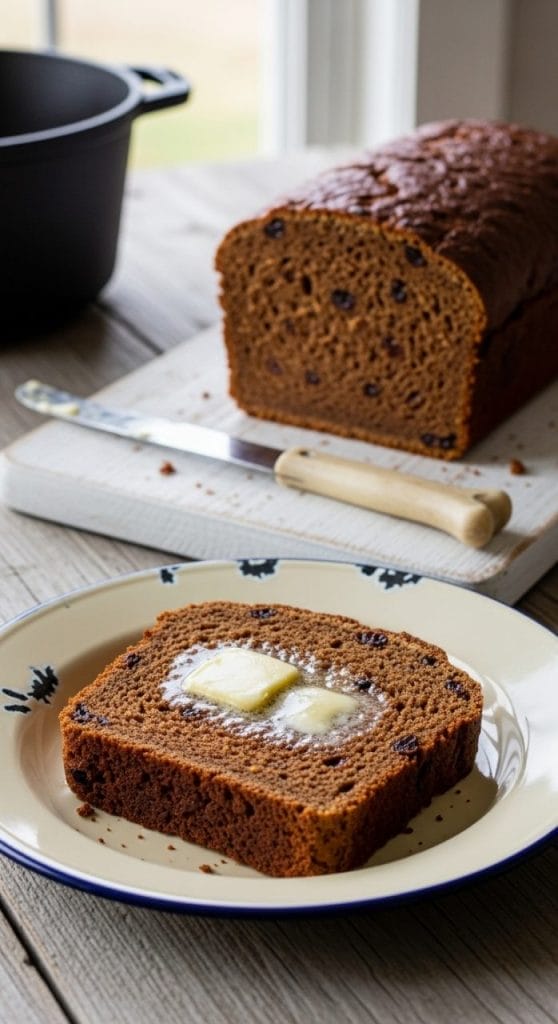
This cake was a true survival recipe, made entirely without dairy or eggs. Instead, it relied on boiling sugar, water, and shortening with raisins to create a rich texture. Spices like cinnamon and nutmeg were added to improve the flavor.
It became widespread in North America and parts of Europe during World War I and the Great Depression. It was also called “Boiled Raisin Cake” or “Poor Man’s Cake” because it used cheap, available ingredients.
This cake was eaten at family gatherings, often as a Sunday treat when traditional cakes were too expensive to make.

5. Carrot Cake (Wartime Version)
Carrot Cake, in its wartime form, was a clever way to add sweetness without using too much sugar. Carrots provided natural sweetness and moisture, making up for the lack of butter and eggs.
This version was encouraged by government rationing programs, which recommended using vegetables in baking.
This cake became widely eaten in Britain and Germany during World War II. The British Ministry of Food promoted carrot-based desserts in pamphlets, while German bakers used carrots to stretch their flour and sugar supplies. The cake was often served at family meals or given to children as a rare sweet treat.
Why These Wartime Cakes Still Work Today
Wartime cake recipes aged well for reasons their designers never expected.
They’re almost all vegan by default. Crazy cake, vinegar cake, and poor man’s cake use no eggs, no butter, and no milk. You can bake any of them for a dairy-free or egg-free guest without changing a thing.
They keep for days. Eggless cakes stay moist for 3 or 4 days at room temperature because they rely on oil or fruit for moisture, not eggs. That’s why they were mailed to soldiers overseas.
They’re forgiving. Wartime recipes had to work when a home cook ran short on any ingredient. Oil for butter, treacle for sugar, boiled raisins for fresh fruit. These cakes hold together even when you substitute.
They rely on slow-release sweeteners. Molasses (Grandma's Unsulphured is the only kind I trust), treacle, and boiled raisins give deeper flavor than straight sugar. A wartime war cake tastes closer to gingerbread than to a sponge.
How to Bake a Wartime Cake in a Modern Kitchen
A few small adjustments help the originals shine.
Use a quality neutral oil. Crazy cake and wacky cake depend on oil for moisture. A fresh sunflower, canola, or light olive oil all work. An old rancid oil will ruin the cake.
Fresh baking soda is non-negotiable. Eggless cakes rely entirely on vinegar plus baking soda for their rise. Old baking soda that’s lost potency produces a flat, gummy cake. Replace yours every 6 months.
Don’t over-mix eggless batters. Over-beating deflates the vinegar-soda lift. Stir just until the dry ingredients disappear, then pour and bake immediately.
Treacle and molasses should be unsulphured. The sulphured versions taste bitter. Look for unsulphured molasses or real black treacle.
Boil raisins properly. For war cake and poor man’s cake, boil the raisins with the sugar, water, and spices for a full 5 minutes. This softens them and infuses the spiced syrup that becomes the cake’s moisture base.
Vintage Tools and Pantry Staples Worth Having
Wartime cakes don’t need fancy equipment, but a few pieces make the process easier.
An 8-inch round or 9-inch square cake tin handles most of these recipes. A heavier metal tin conducts heat more evenly than a thin aluminum one. A heavy-gauge loaf tin is ideal for war cake and poor man’s cake, which are traditionally baked as a loaf.
For the pantry, black treacle and unsulphured molasses are the two sweeteners that show up in most wartime cake recipes. Both keep for years sealed. A jar of golden syrup covers the British wartime baking side.
For period authenticity, reprinted editions of the Ministry of Food wartime cookbooks include the exact cake recipes the BBC and women’s magazines published during rationing. The Marguerite Patten wartime volumes give you the real period voice with tested versions.
Keep Exploring Wartime Baking
If this list pulled you in, a few more directions to wander.
The wartime ration cookie recipes roundup covers the cookie side of the same ration pantry, from oatmeal drops to peanut butter Victory cookies.
The wartime dessert recipes roundup is the parent category, with puddings, mock creams, and treacle tarts alongside the cakes here.
For the full origin story of the most famous of the bunch, our guide on the history of crazy cake (and wacky cake) explains why the eggless technique worked and where the name actually came from.
For the savory side of the same ration table, the wartime dinner recipes roundup covers what families ate around these cakes.
FAQ
What cakes did people eat during WW2?
Crazy cake (also called wacky cake), vinegar cake, war cake, poor man’s cake, and wartime carrot cake were the five most common.
All five were built around the rationing constraint that eggs, butter, and milk were either scarce or entirely unavailable.
The techniques behind them (vinegar plus baking soda for lift, boiled raisins for moisture, carrots for sweetness) are still useful today for vegan and egg-free baking.
What is the difference between crazy cake and wacky cake?
They’re the same cake with two regional names. Crazy cake is more common in the American Midwest and New England, while wacky cake is more common in the South and Canada.
Both use the same eggless, butterless, milkless recipe with cocoa, oil, vinegar, and baking soda.
The name differences come from separate community cookbooks that printed the recipe in the 1940s and 1950s under slightly different titles.
How did wartime bakers get cakes to rise without eggs?
Vinegar plus baking soda is the main trick. A tablespoon of white vinegar and a teaspoon of baking soda produce enough carbon dioxide to replace two eggs in most cake batters.
Some recipes boiled raisins or dates with sugar and water to create a syrup that gave the finished cake its moisture and structure.
Mashed carrot, grated apple, and cooked beetroot all worked as moisture and binder in heavier fruit cakes.
Can I freeze wartime cakes?
Yes. Most wartime cakes freeze extremely well because they already contain stabilizers like oil, molasses, and boiled fruit.
Wrap tightly in parchment and then foil, or freeze in a sealed container. Thaw at room temperature for 2 to 3 hours before serving.
War cake and poor man’s cake actually improve after a few days in the freezer because the spices and raisins have time to fully infuse.
Are wartime cakes healthier than modern cakes?
By most measures, yes. Wartime cakes used about half the sugar and none of the butter or eggs of a modern equivalent.
They leaned on fruit, vegetables, and slow-release sweeteners like molasses, which are gentler on blood sugar than straight granulated sugar.
British public health actually improved during rationing. The wartime diet, including its desserts, was closer to modern nutrition recommendations than postwar 1950s baking.

Maggie Hartwell
Hi there, I’m Maggie Hartwell, but you can call me Maggie—the apron-clad foodie behind Classic Fork! I created Classic Fork because I’m convinced food has a way of telling stories that words can’t. So, grab a fork and dig in. The past never tasted so good!