Classic Fork earns a small commission from Amazon and other affiliate links at no extra cost to you, helping us keep our content free and honest.
Why Mac and Cheese Became a Depression-Era Staple
Macaroni and cheese did not become America’s go-to comfort food because people were feeling fancy. It became a household hero during the Great Depression, and it stuck around because it was cheap, fast, and kept you full.
But the story starts a lot earlier than 1937. Before it was a blue box, mac and cheese was a medieval European dish, a Jefferson-era novelty, and a 19th-century cookbook favorite. Here is how it got from there to the pantry shelf of every American home.
Where Mac and Cheese Actually Started
Mac and cheese feels modern, but its roots go way back. Historians trace early versions to 13th-century southern Italy, where a dish called “de lasanis” was made from sheets of fermented dough cut into squares and layered with cheese.
In medieval England, something called “makerouns” showed up in a cookbook from the 1390s. Boiled pasta layered with butter and cheese. No cheddar, no creamy bechamel. Just the core idea, already taking shape.
The idea of pasta mixed with melted cheese was floating around Europe for centuries. But things did not really heat up in America until one key figure got involved. For the earlier DIY side of the cheese story, see our early American cheese guide.
Thomas Jefferson’s Pasta Habit
Thomas Jefferson is often thanked (or blamed) for bringing mac and cheese to American plates. During his time in France, he became a pasta enthusiast.
He brought back a pasta machine along with a taste for cheesy pasta dishes. In 1802 he served a version at a White House state dinner.
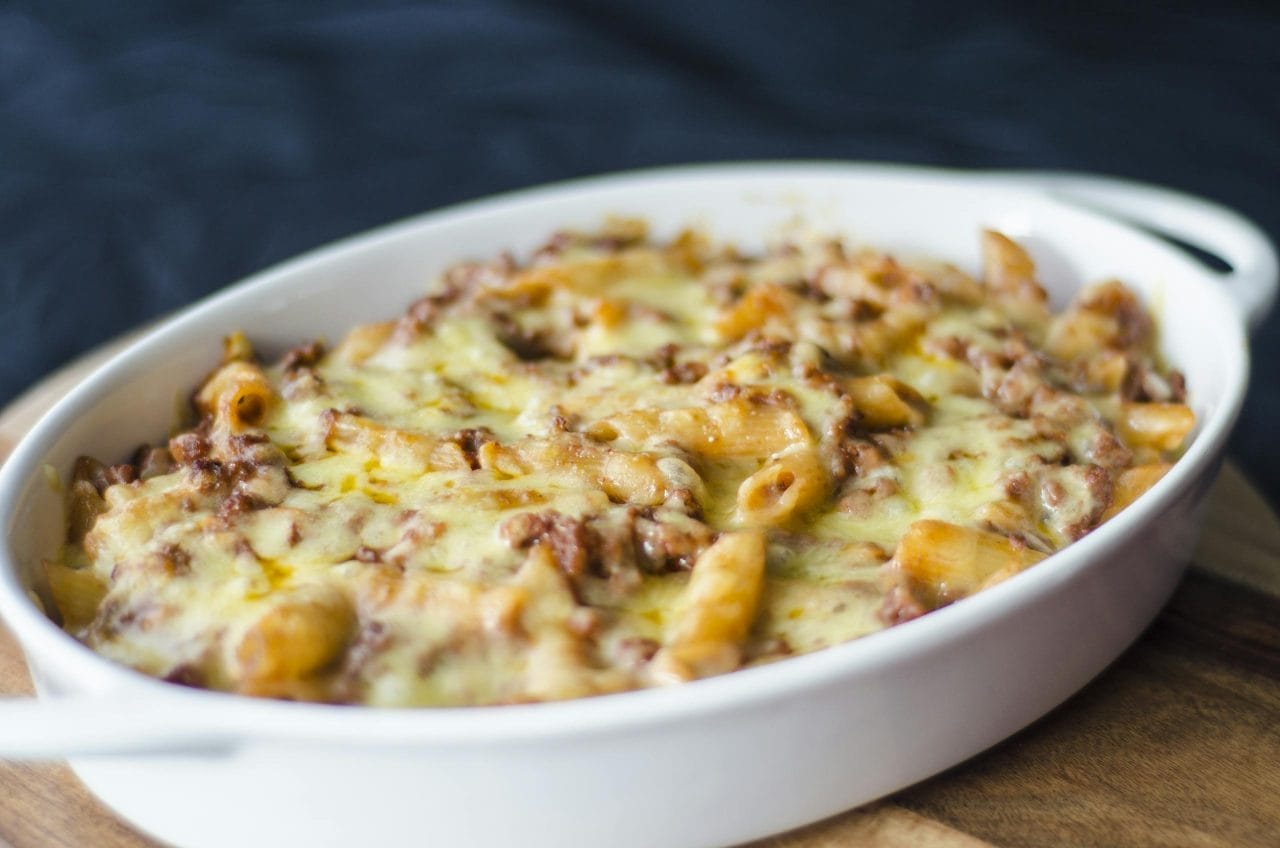
The real shift came when the dish hit cookbooks. In 1824, The Virginia Housewife by Mary Randolph printed a full recipe for macaroni and cheese. It was baked, buttery, and already starting to resemble what we eat today.
Jefferson did not invent mac and cheese, despite the common myth. He just helped bring it to America and popularized it. The concept had been cooking in Europe for centuries before him.
It Was Dirt Cheap
The real turning point came in 1937, when Kraft dropped a boxed miracle: macaroni and cheese for just 19 cents. That fed a family of four.
During a time when every cent mattered, that kind of value was not just helpful. It was life-saving.
You did not need fresh milk or cheese. You did not even need much time. Just water, a pan, and a stove. Dinner done.
Shelf-Stable Was a Lifesaver
The box had dried pasta and processed cheese powder. Both shelf-stable, both reliable. No fridge needed. Today’s home version can lean on dried elbow macaroni and whatever cheese is on hand.
Families could stock up, store it for weeks, and always have a backup meal. That mattered in homes where fresh groceries were rare or spoilage was a real risk.
Fast Food Before Fast Food
Kraft’s marketing hit the nail on the head. “Dinner for four in nine minutes.”
People were working long hours or multiple jobs. Spending an hour over the stove was not an option. Mac and cheese stepped in with 10-minute magic and saved the day.
Surprisingly Filling
No, it was not health food. But it delivered calories, protein, and comfort. All without meat, which was either too expensive or rationed.
It filled bellies with carbs and fat, gave a bit of protein from the cheese powder, and tasted like a warm hug during a cold time.
It Survived the War, Too
When World War II hit, rationing made things even tighter. Meat was limited. Fresh produce was spotty. For the ration arithmetic, see our guide on how much meat you could really eat in WWII.
Kraft mac and cheese became one of those rare packaged foods that fit the ration rules. Two boxes for one ration stamp. No wonder people grabbed it off shelves like gold.
From Pantry Staple to Foodie Obsession
Once boxed mac and cheese entered American homes, it never left. It became a pantry staple. Kids grew up on it. College students depended on it. Midnight snackers worshipped it.
Then came the foodies. In the 2000s, restaurants began crafting gourmet versions. Lobster mac. Truffle mac. Deep-fried mac.
The humble dish became trendy. Fast food chains jumped in. Social media started pumping out wild variations, from Flamin’ Hot Cheetos mac to pumpkin spice mac.
A long way from grated Parmesan over boiled dough in a medieval English kitchen. Or a 19-cent box on a Depression-era shelf.
Final Scoop
Mac and cheese was not just popular because it was cheesy. It was practical.
It traveled centuries and continents, but it truly rose during one of the country’s hardest moments. A box, a pot, and a few cents were enough to eat well enough to keep going.
Somehow, even after times got better, no one stopped eating it.